Wedding Lehenga Guide: How to Choose a Lehenga You’ll Love in Photos 20 Years From Now
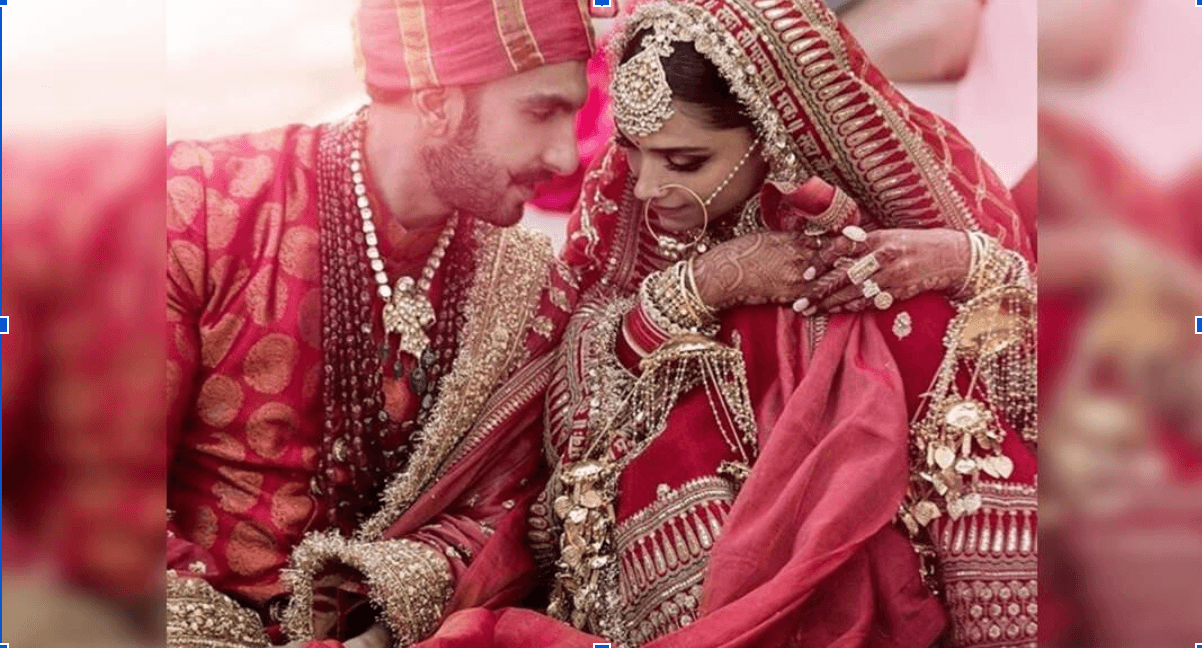
A wedding lehenga isn’t just an outfit for one evening.
It becomes part of the photograph your parents frame, the wedding album you open years later, and the images your family will probably still be looking at decades from now.
So while trends, designers and celebrity weddings are wonderful sources of inspiration, there’s a better question to ask when choosing your bridal lehenga:
Will I still love how I look and feel in this 20 years from now?
Here are the things worth considering before saying this is the one.
1. Choose the Colour for You — Not Instagram
Red remains timeless. Blush and pastel pinks can feel romantic. Ivory and champagne are elegant. Wine, rust and jewel tones can create extraordinary bridal portraits.
But don’t choose a colour simply because it looked beautiful on another bride.
Try your shortlisted colours against your complexion and undertone, and most importantly, photograph yourself wearing them in natural daylight.
Showroom lighting can be deceptive. Your wedding photographs will be created across daylight, warm indoor light, stage lighting and flash.
The camera deserves a vote.
2. Coordinate With the Groom — Don’t Necessarily Match
Great couple portraits don’t require identical colours.
A deep-red bridal lehenga can work beautifully against an ivory or champagne sherwani. A blush-pink lehenga can pair elegantly with beige, ivory or muted gold.
Think of the photograph as one complete palette:
Bride + Groom + Jewellery + Flowers + Décor + Venue
Everything doesn’t need to match. It needs to belong together.
3. Consider Your Venue Before Finalising the Lehenga
Your venue becomes the background of hundreds of photographs.
A pastel lehenga against a garden or destination setting creates a very different visual language from the same outfit against a heavily decorated indoor stage.
Ask yourself:
What’s going to be behind me?
Greenery? Palace architecture? Marble? A beach? Dark décor? Warm golden lighting?
Your lehenga shouldn’t be selected in isolation from the environment where you’ll actually wear it.
4. Don’t Confuse Heavy With Bridal
A lehenga can look extraordinary while you’re standing in a boutique.
Your wedding lasts considerably longer.
You’ll walk, sit through rituals, hug relatives, take hundreds of photographs, move through crowds and hopefully dance.
So try the complete outfit and ask:
Can I sit comfortably?
Can I walk naturally?
Can I move without constantly adjusting the dupatta?
Can I wear this for several hours?
Does the outfit work for my wedding season and venue?
Comfort affects photography more than most brides realise.
When you’re comfortable, you move naturally. And that’s when the best candid photographs happen.
5. Follow the “One Hero” Principle
Your bridal look may contain:
Lehenga + Blouse + Dupatta + Jewellery + Bangles + Kaleere + Flowers + Varmala + Makeup + Hair
If every element is trying to become the hero, the overall look can become visually overwhelming.
An intricately embroidered lehenga may work beautifully with slightly more restrained jewellery. Extraordinary jewellery can stand out against a cleaner outfit. A heavily detailed dupatta may need visual breathing room elsewhere.
This doesn’t mean minimal.
It means balanced.
And in your wedding portraits, the most important focal point should still be you.
6. Use Celebrity Brides for Ideas, Not Templates
Celebrity weddings offer useful lessons because they demonstrate very different approaches to bridal styling.
Deepika Padukone showed how traditional red can become deeply personal through meaningful details.
Anushka Sharma demonstrated that soft blush tones can have enormous bridal presence when the entire visual palette works together.
Kiara Advani showed how bride and groom can coordinate beautifully without wearing identical colours.
Alia Bhatt demonstrated that bridal elegance doesn’t have to depend on weight or excess.
Radhika Merchant’s dramatic veil and silhouette showed another important principle: statement elements need to be planned into the photography itself.
The lesson isn’t to recreate a celebrity wedding.
It’s to understand why a look worked and adapt that thinking to your own personality, traditions and setting.
7. Add Something That Means Something
Some of the most memorable bridal details aren’t necessarily the most expensive.
Consider incorporating:
A family textile
An inherited piece of jewellery
A traditional craft from your family
A meaningful embroidery motif
A personalised inscription
A fabric connected to someone important
These details also give your photographer something meaningful to document.
Twenty years later, the story behind an element may matter considerably more than whether it was trending that season.
8. Tell Your Photographer About the Outfit Before the Wedding
Don’t let your photographer see the complete bridal look for the first time when you walk into the ceremony.
Share:
Lehenga photographs
Jewellery
Dupatta styling
Groom’s outfit
Venue
Décor references
Makeup and hairstyle
Any personally meaningful details
Why?
Because a long veil needs space. Mirror work behaves differently under flash. Intricate embroidery deserves close-up coverage. A family heirloom deserves an intentional photograph.
The better your photographer understands the look, the better they can plan around it.
9. Do a Complete Look Test
Before the wedding, wear as much of the final combination as possible:
Lehenga + Blouse + Dupatta + Jewellery + Shoes
Then photograph it.
Try:
Natural daylight
Indoor warm light
Direct light
Side light
Look at the photographs rather than only the mirror.
Check the neckline, jewellery, embroidery, dupatta, proportions and overall visual balance.
It’s much easier to make a styling adjustment before the wedding than discover it in your wedding album.
10. Remember What the Photograph Is Really About
Your wedding album shouldn’t become a catalogue for your lehenga.
Some of the photographs you’ll value most may be:
Your mother fixing your dupatta.
Your father seeing you dressed as a bride.
Your friends laughing while you’re getting ready.
Your groom seeing you for the first time.
Your hands during the pheras.
The chaos after the varmala.
That exhausted smile at the end of the night.
The lehenga will be in those photographs.
But the emotion is why you’ll keep them.
The FounPro Bridal Lehenga Checklist
Before finalising your lehenga, ask yourself:
Colour
Does it complement me? Have I photographed it in natural light? Does it coordinate with the groom and venue?
Comfort
Can I sit, walk and dance comfortably? Can I manage the dupatta for several hours?
Balance
Are the lehenga, jewellery, blouse and styling complementing each other—or competing?
Photography
Does my photographer know what I’m wearing? Have we discussed the venue, lighting and important outfit details?
And finally:
Do I feel like myself in it?
Because bridal trends will change.
Your wedding photographs won’t.
Planning Your Wedding Photography?
At FounPro, we believe wedding photography should start before the cameras come out.
Understanding your events, family, outfits, traditions, references and the moments that matter allows the photography team to plan the coverage around your wedding, rather than applying the same template to everyone.
From intimate family functions and mehendi to sangeet, wedding and reception, FounPro brings planning, professional teams, structured coverage and delivery into one managed experience.
Let’s plan the photographs before we take them.
Book a Wedding Photography Consultation with FounPro
Planning a shoot?
FounPro runs brand photo and video end to end — one consultant, pricing up front.